

Overview
Dye Penetrant Inspection (DPI), often referred to as liquid penetrant (LP) or penetrant testing (PT), is a widely used and low-cost non destructive testing (NDT) method for identifying surface-breaking defects in solid materials. While it is suitable for all metals, Magnetic Particle Inspection (MPI) is generally the preferred method for Ferrous metals, and PT is used for Non-Ferrous metals and non-metals.
ARI provides certified DPI services across Adelaide, Melbourne, Perth, Bunbury and Port Hedland, supporting clients throughout Australia. Our NDT technicians work closely with asset owners, fabricators, and maintenance teams to deliver reliable inspections that help identify issues early and reduce the risk of failure.
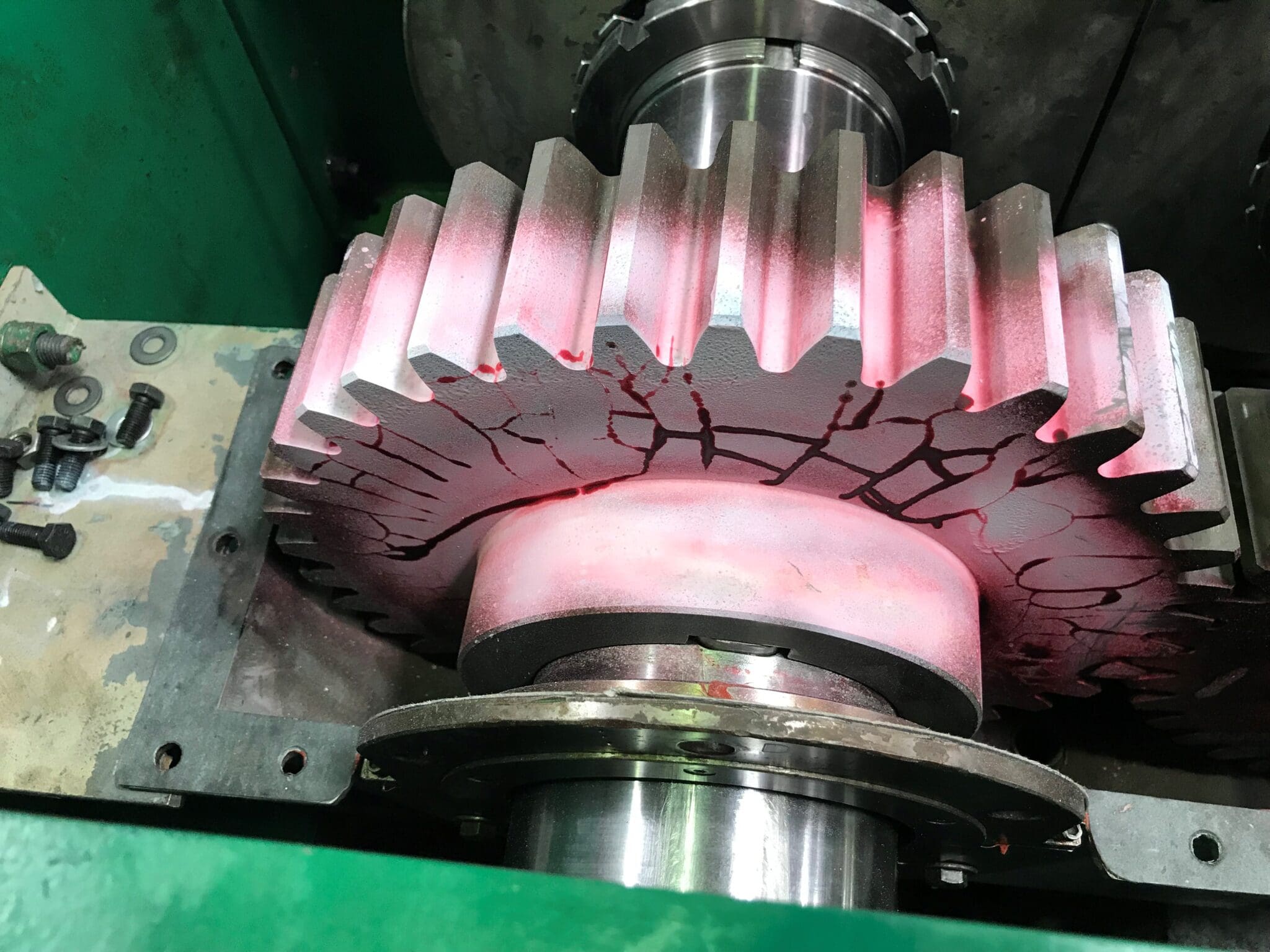
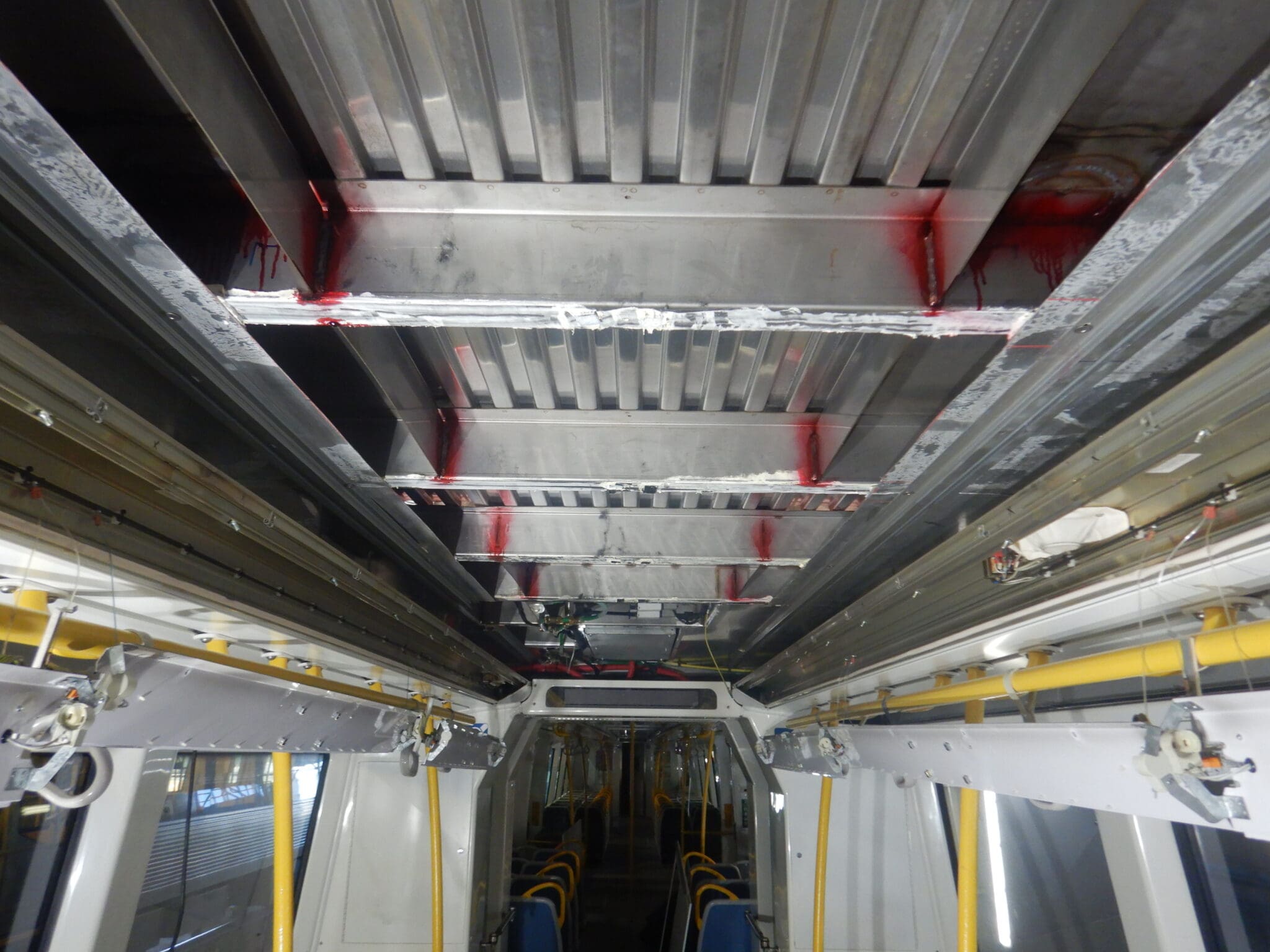
How Dye Penetrant Inspection Works
DPI reveals surface defects that are not visible to the naked eye. Before inspection, the surface is carefully cleaned to remove oil, grease, or other contaminants that could interfere with the inspection process.
A liquid penetrant is then applied to seep into any surface breaking flaws. Excess penetrant is then removed, and a developer is applied. This draws the penetrant back out of the defects, creating clear visual indications that can be assessed under appropriate lighting conditions.
This process allows our certified NDT technicians to quickly and accurately evaluate surface integrity without damaging the component.
Common applications of Dye Penetrant Inspection
DPI is commonly used across a wide range of industries and applications, including:
- Weld inspection on non ferrous materials
- Fabricated and machined components
- Pressure retaining equipment where surface cracking is a concern
- Maintenance inspections during shutdowns
- Components with complex shapes or limited access
We deliver DPI services on site and during shutdowns, tailoring each inspection to suit the material, environment, and project requirements. With offices in Perth, Adelaide, Melbourne, Bunbury and Port Hedland, we’re able to support projects across Australia.
Advantages of Dye Penetrant Inspection
- High Sensitivity to Surface Defects: DPI is extremely effective at revealing surface-breaking flaws such as cracks, porosity, seams, and laps.
- Simple and Economical: The process is relatively simple and does not require expensive equipment, making it cost-effective.
- Versatile on Various Materials: It can be used on a wide range of non-porous materials, including metals, glass, and certain types of plastics and ceramics.
- Visible Indications: The defects are visually highlighted by the dye, making them easy to see with the naked eye.
- Rapid and Portable: DPI can be done quickly and on-site, as it does not require large or complex equipment.
- No Safety Hazards: Unlike methods such as radiography, DPI does not involve hazardous substances or radiation.
These advantages make DPI a popular choice for routine inspections and quality control across many industries.
Limitations of Dye Penetrant Inspection
While highly effective for surface defects, DPI does have limitations:
- DPI is limited to Surface Defects: It can detect only flaws exposed at the surface and cannot identify subsurface defects.
- Surface Preparation Required: The surface must be clean and free from oil, grease, water, or other contaminants for the dye to penetrate effectively.
- Not Suitable for Porous Materials: DPI is ineffective on porous materials because the penetrant can become trapped in the pores.
- Risk of Over-Washing: Excessive washing can remove the penetrant from flaws, leading to missed defects.
- Post-Cleaning Required: After inspection, the part must be thoroughly cleaned to remove the dye, which can be time-consuming.
- Limited Use in Rough Surfaces: Very rough or irregular surfaces may give false indications or make interpretation of results difficult.
Our NDT team carefully assesses each application to determine whether DPI is the most appropriate testing method or whether another NDT service should be used.
Other ARI Certified NDT Services
We offer a range of certified NDT services across Australia. Alongside DPI, our services include:
- Ultrasonic Testing
- Radiographic Testing
- Magnetic Particle Inspection
- Eddy Current Testing
- Advanced NDT
These NDT services are delivered by experienced technicians operating from our locations in Perth, Adelaide, Melbourne, Bunbury and Port Hedland.
Contact Us
Send a message, or give us a call to discover how we can help.